


- Home /
- ATEX Certified Power Tools Ensure a High Level of Safety in Potentially Explosive Atmospheres
ATEX Certified Power Tools Ensure a High Level of Safety in Potentially Explosive Atmospheres
Protect your Workers and Worksites by Using ATEX Certified Tools
Working in explosive atmospheres carries many challenges, the most important of which is the safety of the workers. An explosive atmosphere is defined as one in which enough flammable gas, mist, vapor or dust is mixed with air to cause an explosion if ignition occurs. The source of ignition could be either electrical or mechanical in origin. The requirements for controlling potentially explosive atmospheres, as well as the standards for equipment and protective systems used in them, are outlined in the ATEX directive.
ATEX (Atmospheres Explosibles) is a directive outlining a number of technical and quality objectives that must be complied with to the satisfaction of a third party certification association (such as TUV). The ATEX directive is addressed to those who design, manufacture or sell any equipment intended for use in potentially explosive atmospheres. Once the objectives have been met, the approved product is marked with the appropriate ATEX classification label and Ex symbol.
Compliance with the ATEX directive has been a legal requirement in all European Union States since July 2003. The ATEX symbol is recognized internationally, providing safety assurances to users in EU states, as well as assuring users in the U.S. and other non-EU countries that the product was manufactured to high levels of safety.
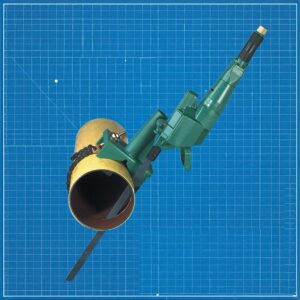
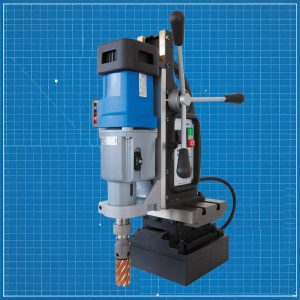
CS Unitec specializes in pneumatic, hydraulic and electric power tools for construction and industry. We provide a comprehensive line of power tools ideal for the oil gas, and process industries. ATEX certified pneumatic and hydraulic power tools from the company’s line include:
- Reciprocating Saws
- Hacksaws
- Rotary Hammer Drills
- Impact Wrenches
- Portable Band Saws
- Nut Runners
- Magnetic drills
- Axial fans
- Ventilators
- And more!
It is important to follow the operating and safety instructions for each tool. In addition, it is critical to ensure that you are using the correct safety equipment required when you are working in hazardous areas and Ex zones. ATEX is a practical, detailed guide for working safely in EX ZONES. When choosing the right tool for a potentially explosive area, each user is responsible for following all safety regulations, including knowing the correct tools to use.
Ex Zones are defined for Gas, Mists or Vapors and Dusts as follows:
Gas, Mists or Vapors
Zone 0 – An atmosphere where a mixture of air and flammable substances in the form of gas, vapor or mist is present frequently, continuously or for long periods.
Zone 1 – An atmosphere where a mixture of air and flammable substances in the form of gas, vapor or mist is likely to occur in normal operation occasionally.
Zone 2 – An atmosphere where a mixture of air and flammable substances in the form of gas, vapor or mist is not likely to occur in normal operation but, if it does occur, will persist for only a short period.
Dusts
Zone 20 – An atmosphere where a cloud of combustible dust in the air is present frequently, continuously or for long periods.
Zone 21 – An atmosphere where a cloud of combustible dust in the air is likely to occur in normal operation occasionally.
Zone 22 – An atmosphere where a cloud of combustible dust in the air is not likely to occur in normal operation but, if it does occur, will persist for only a short period.
Four ATEX classification elements are used to ensure that a specific piece of equipment is appropriate for its intended purpose and can be safely used in a particular application. These four elements are:
- Industrial or Mining Application
- Equipment Category
- Atmosphere
- Temperature (see chart below for more information)
ATEX Classification
Group
II – Surface Industry
IM – Mining Application
Equipment Category
1 – Very High Level of Protection (Zone 0, 1, 2 or 20, 21, 22)
2 – High Level of Protection (Zone 1, 2 or 21, 22)
3 – Normal Level of Protection (Zone 2 or 22)
Atmosphere
G – Atmosphere Containing Gas, Vapors or Mist
D – Atmosphere Containing Dust
Safety Design
c – (previously known as “machine norms”)
Temp. (surface doesn’t exceed)
T1 – 842°F / 450°C
T2 – 572°F / 300°C
T3 – 392°F / 200°C
T4 – 275°F / 135°C
T5 – 212°F / 100°C
T6 – 185°F / 85°C
For example, CS Unitec’s Pneumatic Reciprocating Saw, model number 5 1217 0020, is approved for Ex II 2 GcT5, making it appropriate for industrial Ex zones 1, 2 and 21, 22.
Download this
For more information and product specifications on CS Unitec’s ATEX approved industrial power tools, call 1-866-983-6427 (203-487-5636 international) or email info@csunitec.com. Also reference the FREE downloadable
Ex Zone / Non-Sparking Tool Poster
for more information on Ex Zones.
Read the ATEX directives for more detailed information and guidance on the regulations.
